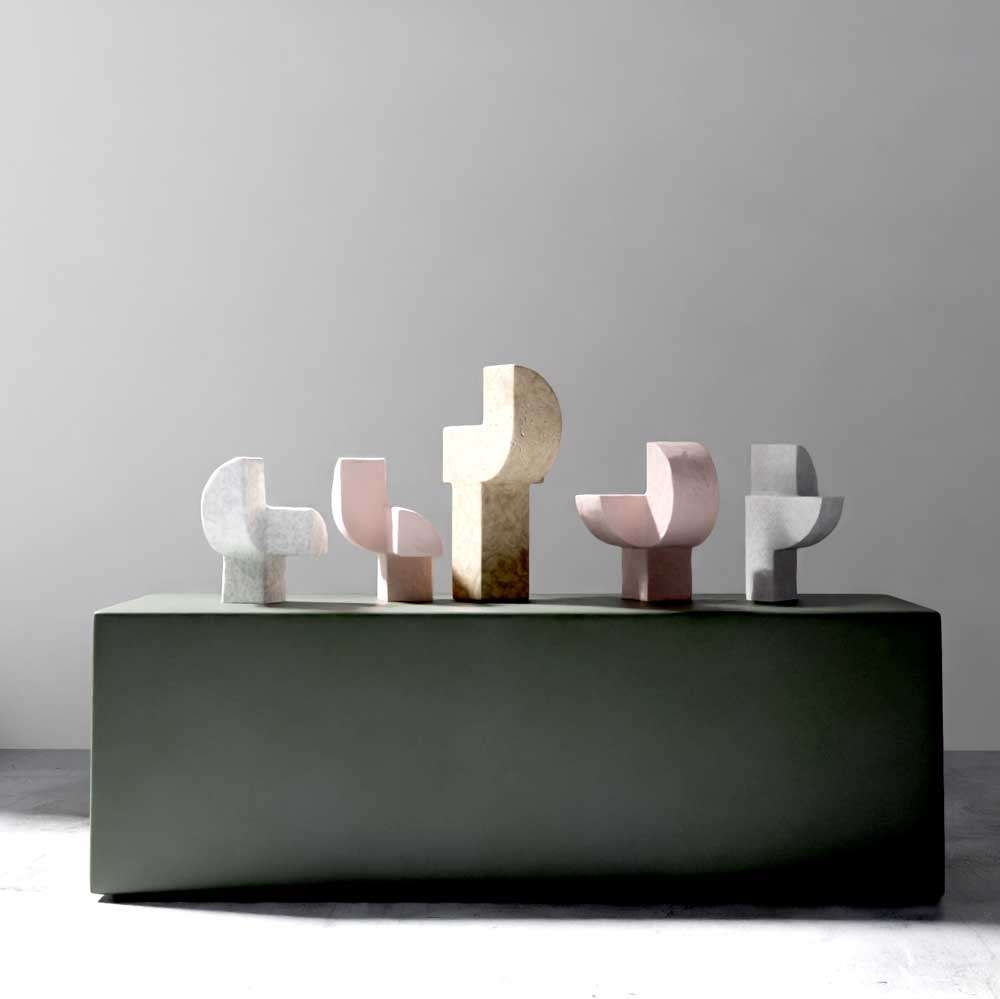
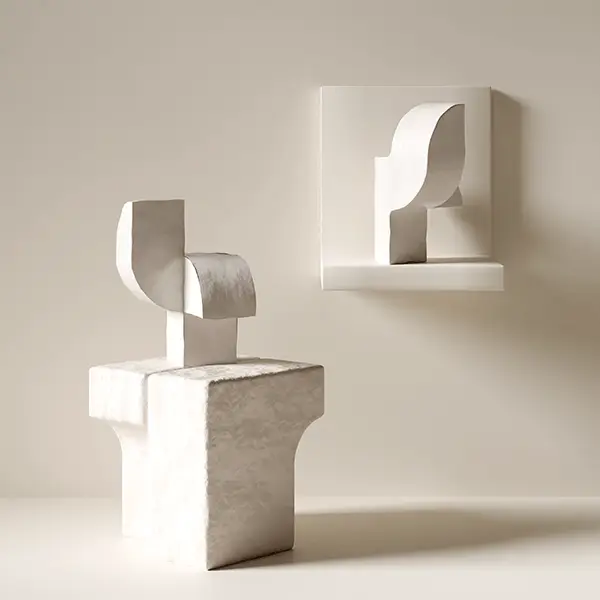
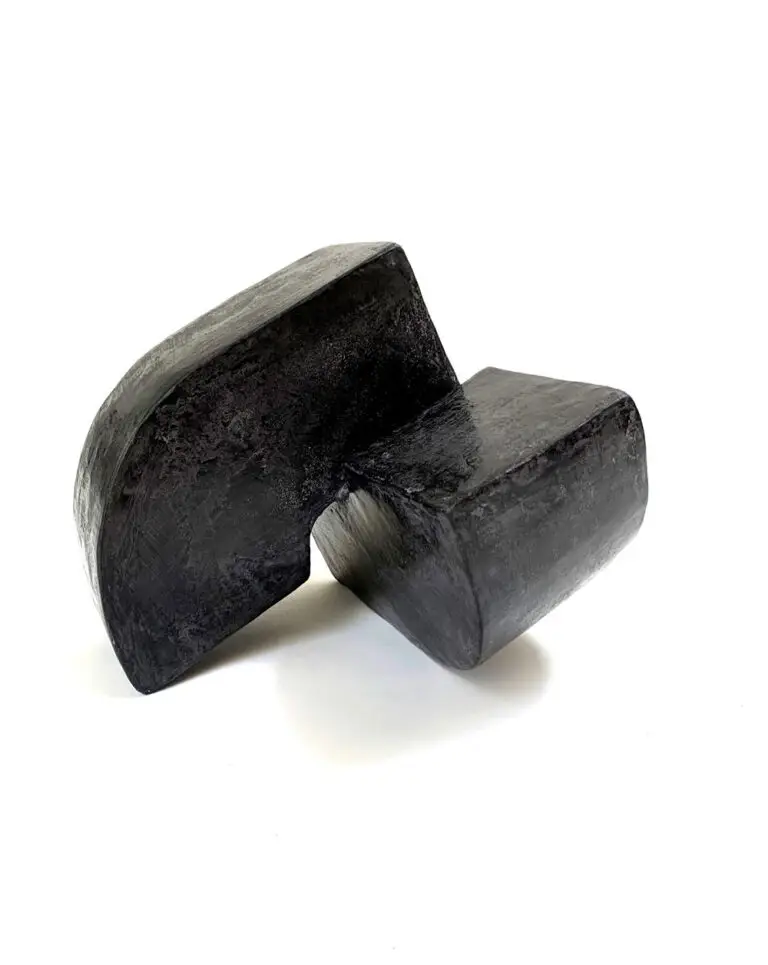
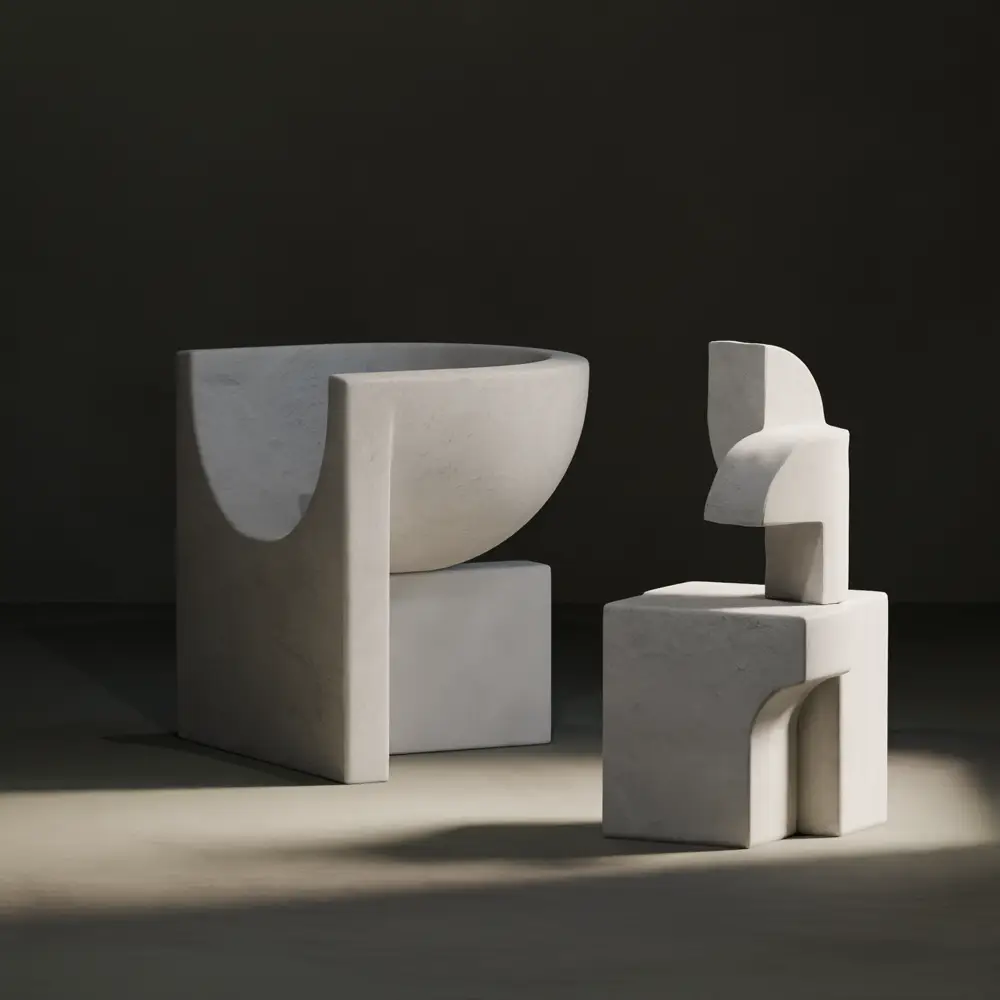
Rachael Heritage studied furniture design at the The Royal College of Art in London. Today, she makes a series of functional art pieces.
Minimalist Form
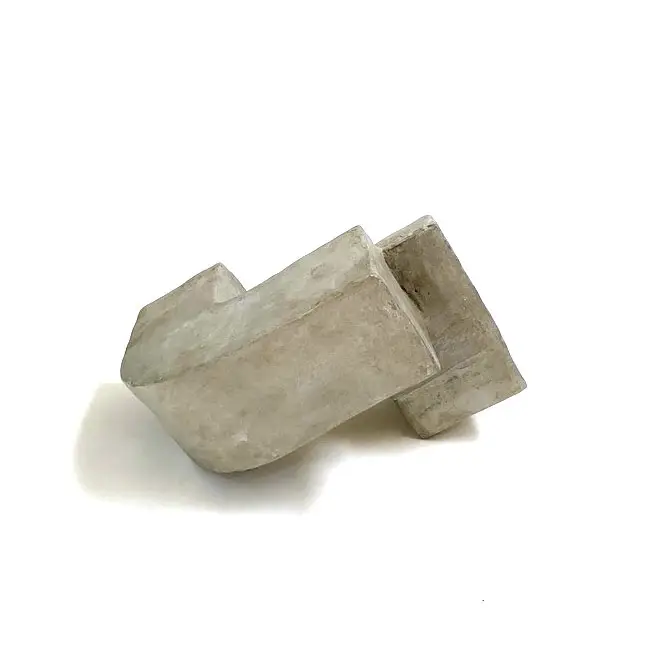
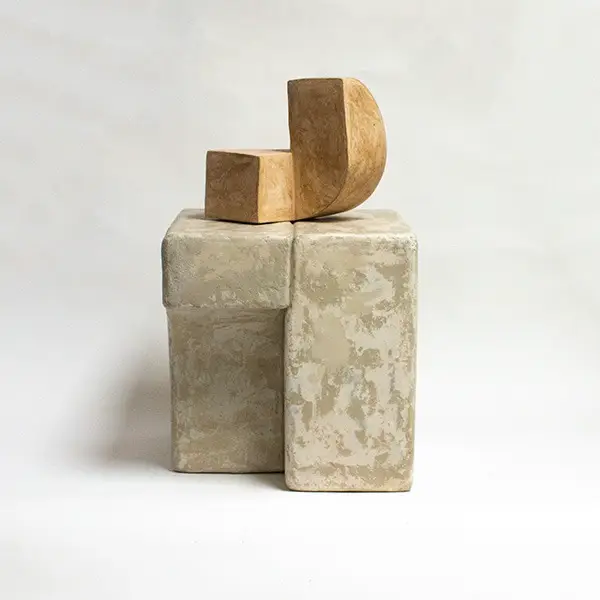
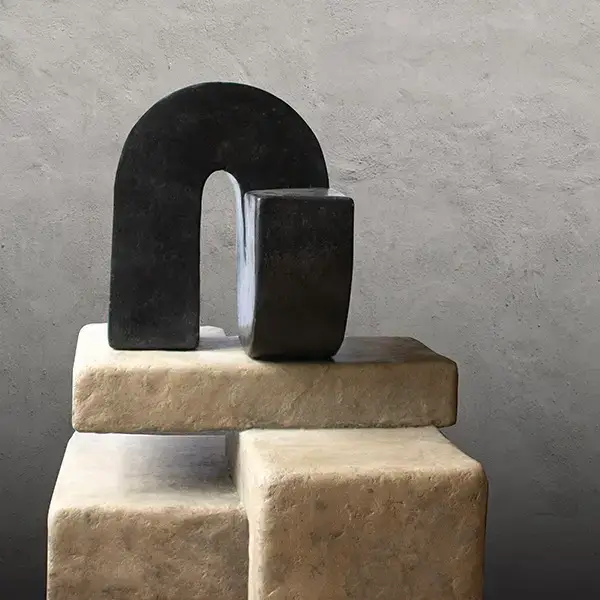
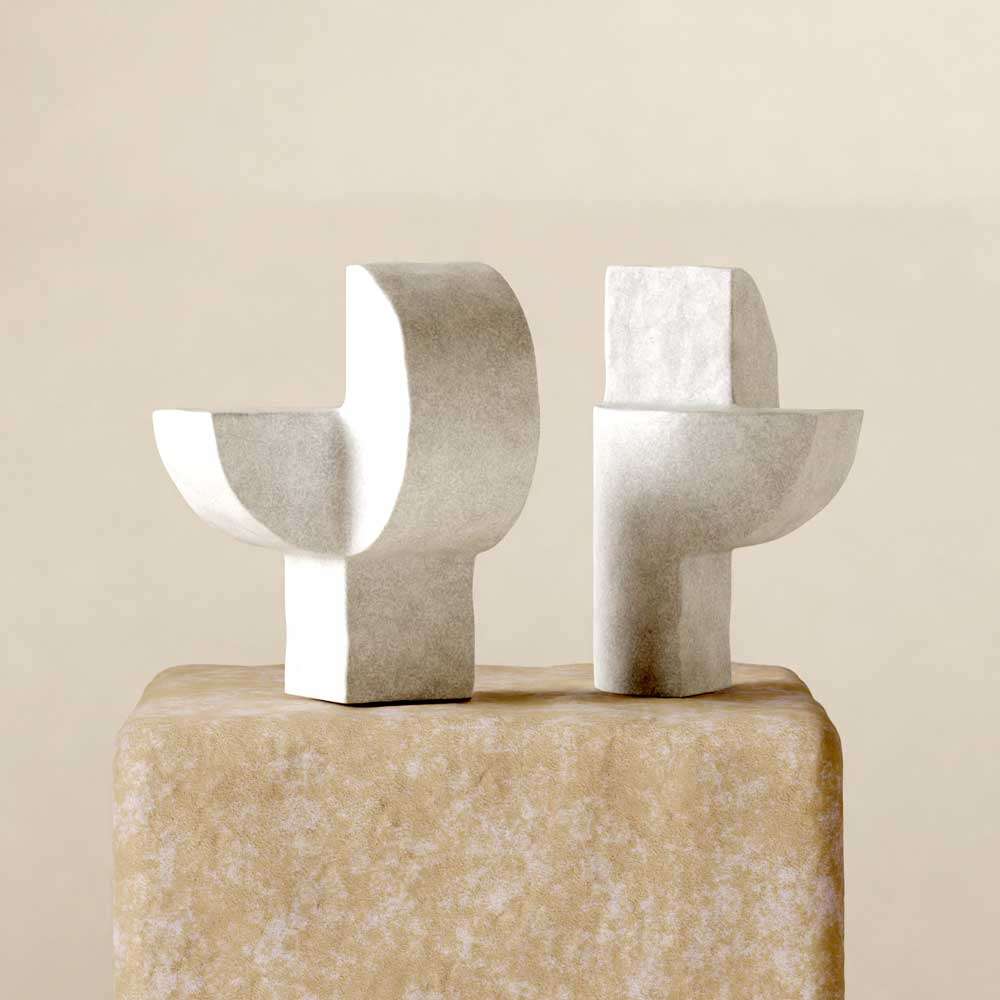
Rachael reduces her designs to their minimum form. She uses solid geometric blocks, straight lines, gentle curves, and simple verticals and horizontals. This process of refinement creates pieces that have a sturdy elegance due to their simplicity.
Functional Art and Sculpture
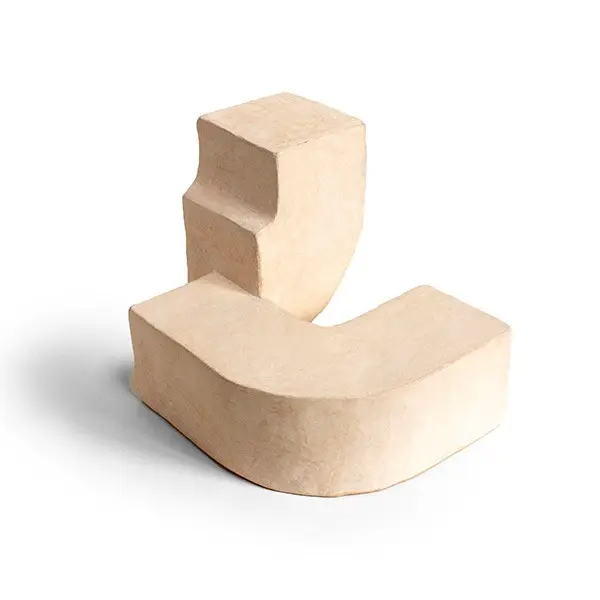
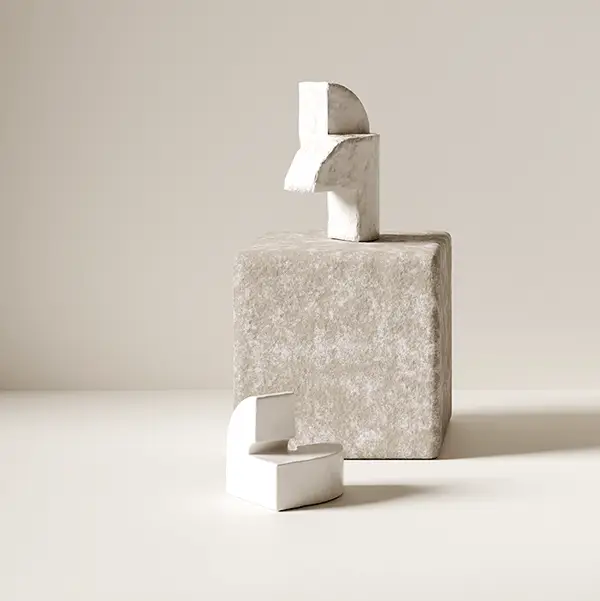
Solid shapes interact to build sculptural forms. These are simple building blocks for her collection of Shapes for Spaces.. Rachael carefully considers every shape combination. This creates a unique style for the contemporary interior.
Unique Materials and Handcrafting
Every piece in the collection is individually handmade. Rachael uses a combination of materials, including recycled cardboard, plywood, and fibre-cement.
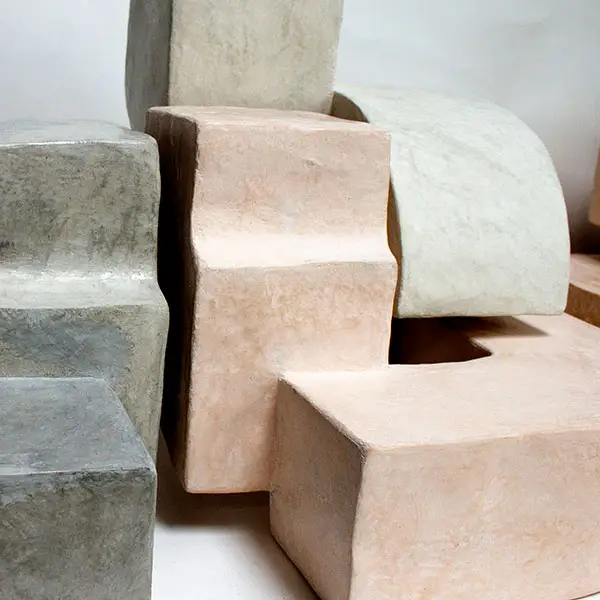
The final surface has many layers. This mix of colour and texture ensures that each piece is truly unique and has its own individual character.
The process
Each piece in the collection is individually handmade using recycled cardboard, plywood and fibre-cement. The final surface coat is made up from many layers and with this mix of colour and texture each unique piece has its own individual character.
Each shape in the series takes the same form, but due to this process each final piece is unique. They will vary in colour texture, edge radii and alignment.
The understructure is made from an open plywood frame which is layered repeatedly with different shades of fibre cement. These build up to form a solid coat and as each layer is sanded back colours and textures mix together to give their own individual finish. Every piece is unique with its own individual character.
Working incard, wood and cement I do not have to think about the designs in a traditional method, there are no joints to consider or structural restraints, the final shape is built up from the inside-out, giving the freedom to make each piece unique, individual and without a design reference to a time in the past.